How we work
Six parts, one healing cycle.
Each part of the work depends on the others: no remedy without a Healer, no Healer without plants, no plants without seeds, forest and the families who care for them. This is how the parts fit together.
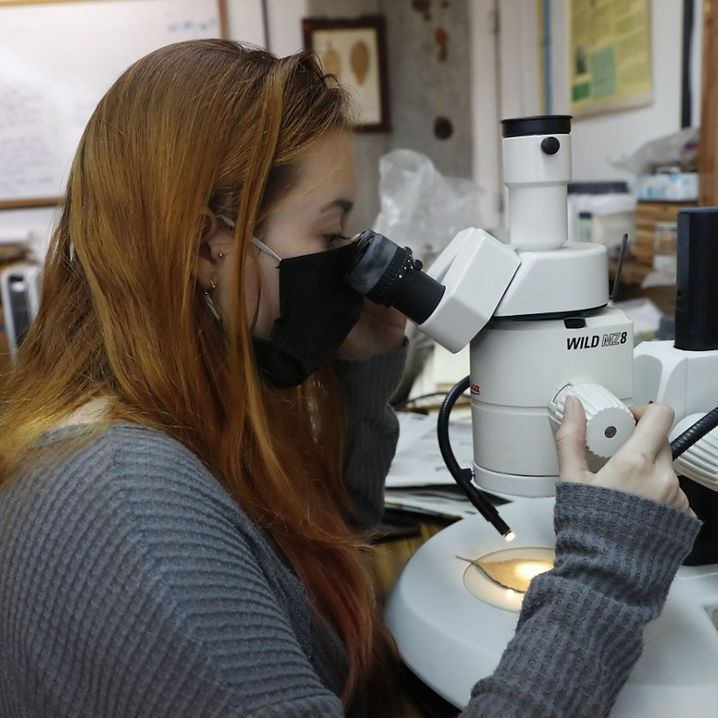
01 · Research with institutions
Two knowledge systems, studying together.
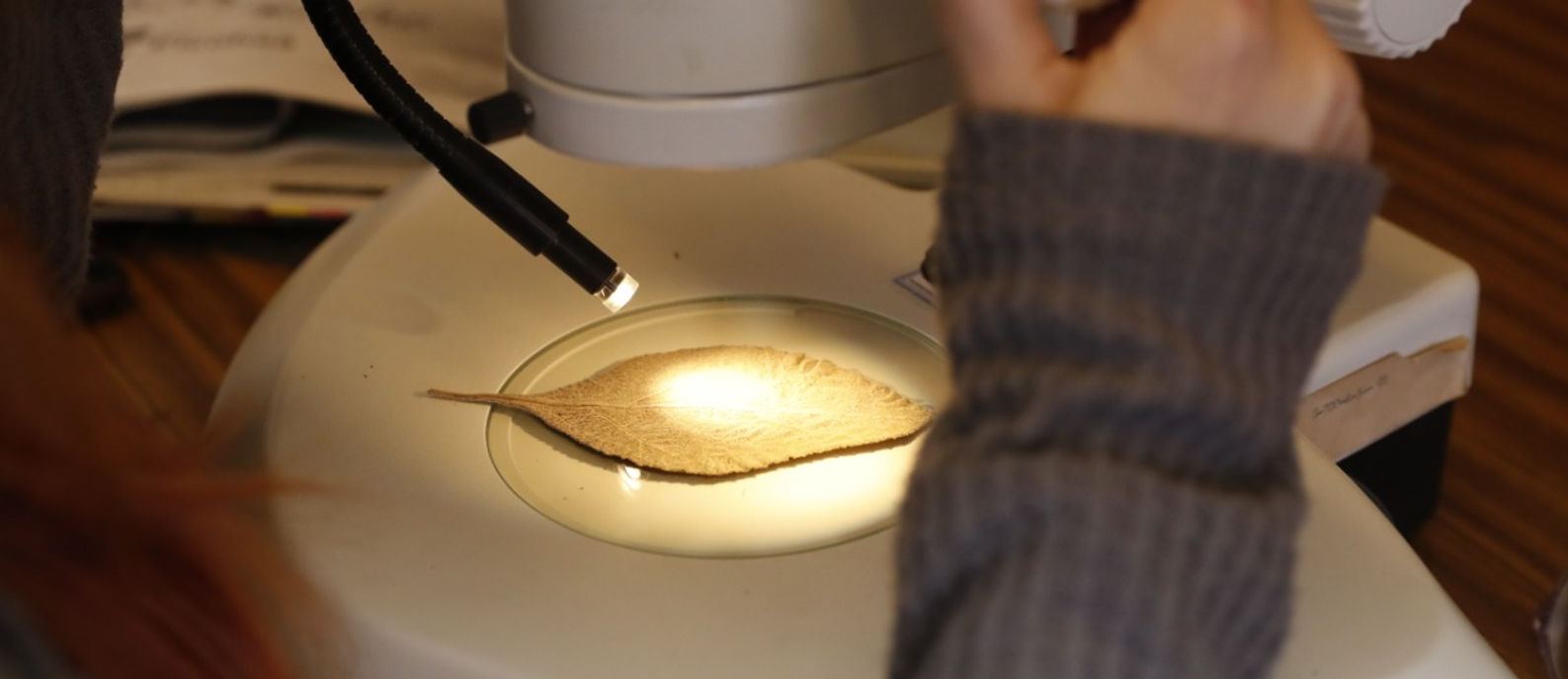
Research here is an encounter between knowledge systems, on equal footing.
- Maya Traditional Councils and knowledge holders bring authority, knowledge and their own questions
- Research partners bring botany, pharmacology, medicine, epidemiology and ecology
- Indigenous researchers lead on the questions that matter most in their own knowledge, and work in teams with national and international researchers
- Permission comes first, for each use, and commercial research never creates access rights to Indigenous knowledge
The publications and the full research record are on the IMMI page.
02 · Land and seeds
From a mother tree to a family plot.
Q'anil means seed: the living beginning from which knowledge, plants and relationships can grow.
Follow one seed and you see why everything is linked:
- A wisdom keeper finds a healthy mother tree in the forest and gathers its seeds, and is paid for it
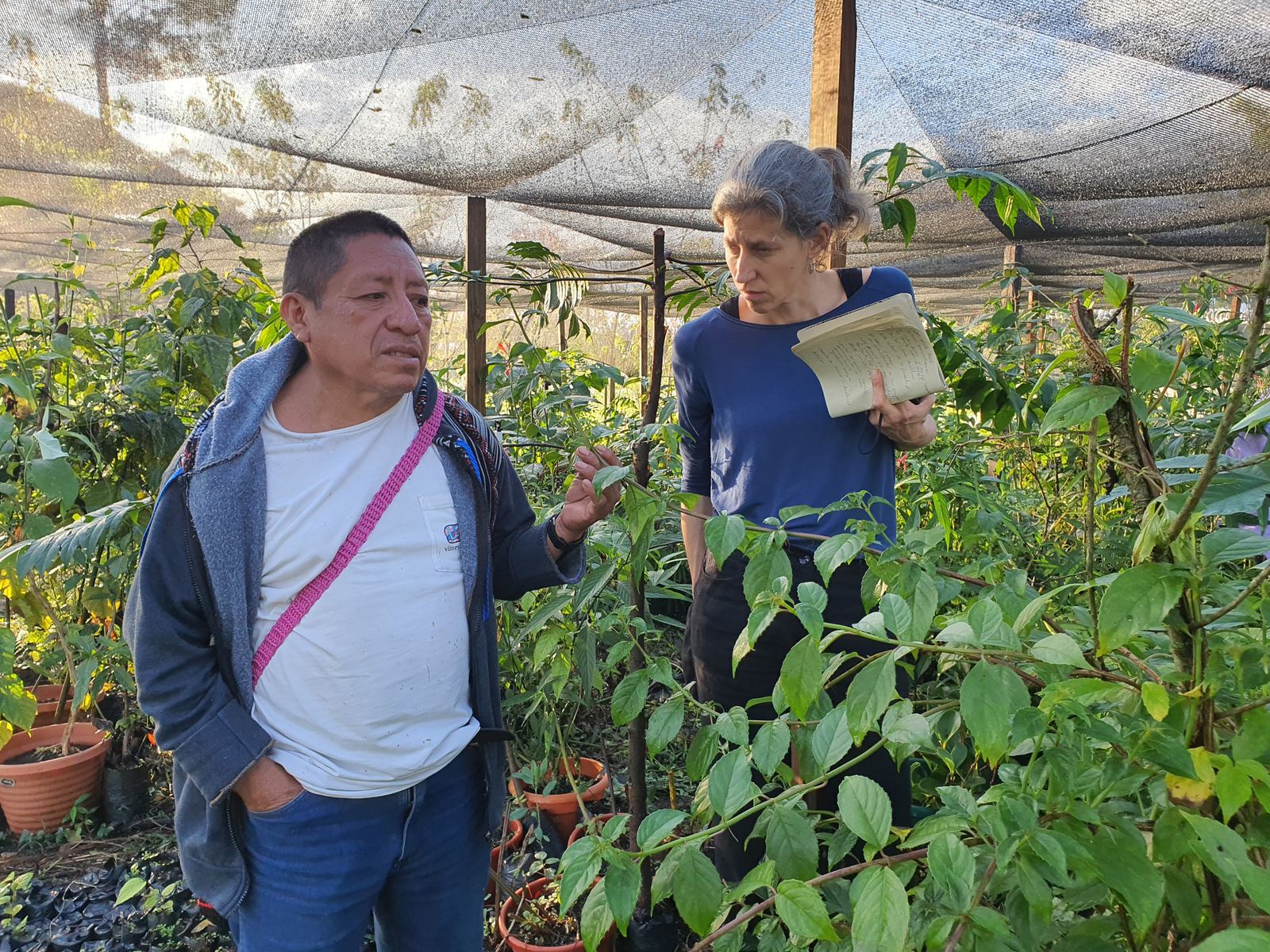
- The Traditional Council sorts the seeds, and the community nursery grows them
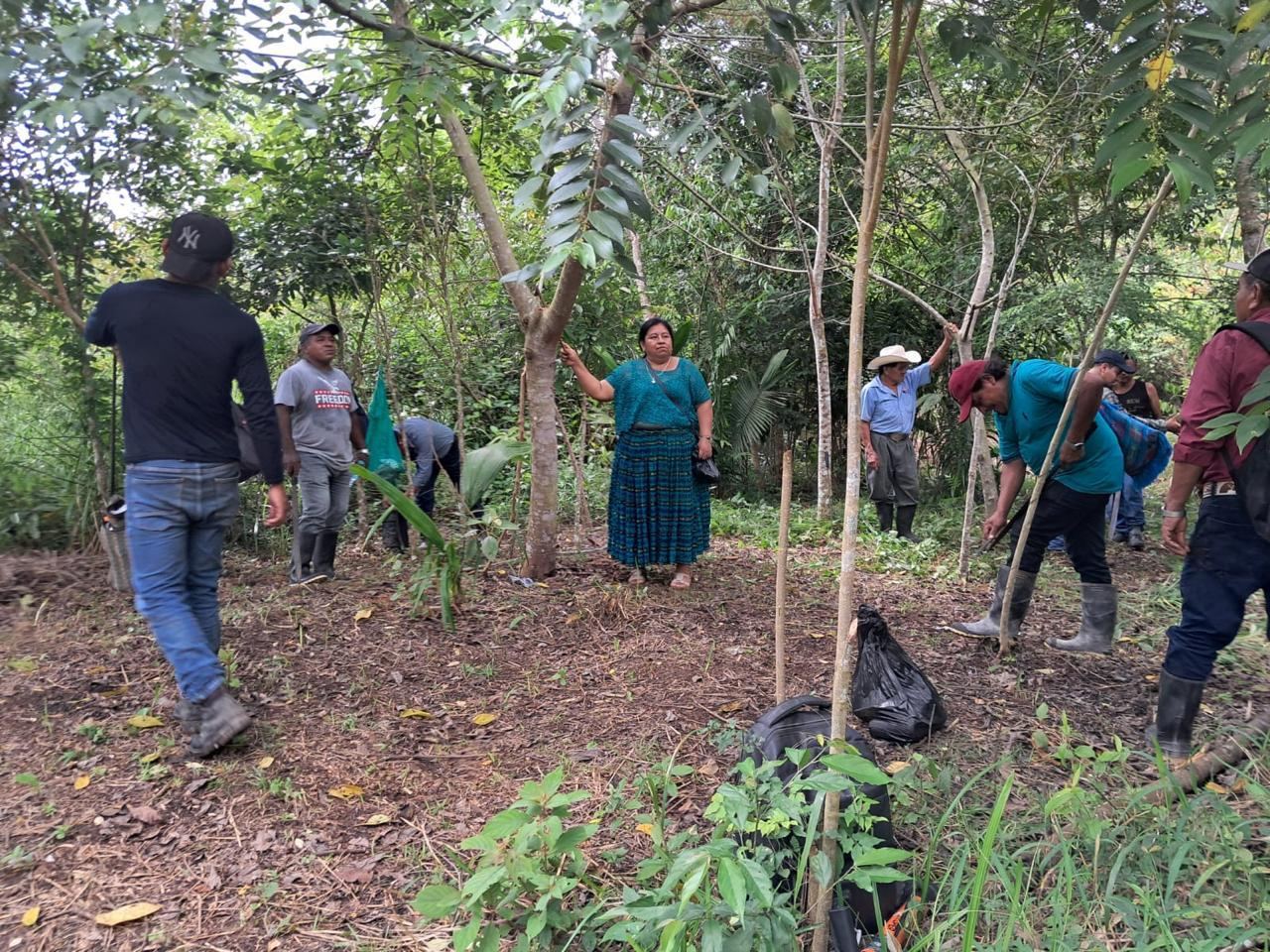
- A family plants them on its own land, a Green Health Plot, and regenerates it over many years
- The plants become forest again, food, and the medicine a Healer needs
- The Healer treats people, and teaches the next generation which plants to protect
Lose one step and the others weaken. Keep them all and the land, the knowledge and people's health grow back together.
03 · Remedies, step by step
Permission and safety before anything is made.
A galenic laboratory for safe, simple remedies is planned, carefully prepared by hand in small batches.
Every remedy comes after the steps that make it responsible, never before them:
- Permission from the knowledge holders for each use
- Research and safety work on each plant and preparation
- Need, tested with simple remedies first
- Regulation and registration where required
- Supply from regenerative cultivation
- Production, only then
Safe, simple remedies and food knowledge return to the communities first.
04 · The digital layer
Tools that serve the people they describe.
Every piece of knowledge carries its source, its steward and its permission: who may see it, for what, and what may never leave its place.
- The Knowledge System: papers, books, films, photographs and field records in one governed place; knowledge holders can limit or withdraw consent, and archives can be cataloged without becoming public
- Measurement from the plot to the territory: digital records of the plots and a field app for farmers, Healers and community monitors that works offline
- Data stays with its people: Indigenous and community data does not become Green Health's property because Green Health stores or processes it
- People decide: artificial intelligence comes only after permissions exist, and it assists accountable people rather than replacing their decisions
05 · Stewardship and purpose
A purpose at the center that no one can buy.
Giving money creates no authority over the purpose, Indigenous knowledge, community consent or the integrity of modern science.
An empty center
At the center are purpose and the Constitution, not a founder, donor or investor. A Leadership Circle and autonomous Working Circles steward it, and a Board of four complementary roles is being formed.
Two self-governing domains
Maya knowledge, culture and consent; modern science, ethics and safety. Each has its own veto. If they collide, the activity pauses until a proposal respects both.
The Codex
The Green Health Codex of Principles and Conduct, rooted in Maya wisdom and approved by several Maya Traditional Councils and Ajq'ijab', guides everything Green Health does.
Read the Codex06 · The communities
Where the cycle begins and returns.
The communities are not the subject of the work. They do it, and they decide what it becomes.
- They sow and they gather: families plant native species on their own land, and wisdom keepers collect the seeds that no one else collects
- They run the nurseries with their Traditional Councils, and keep the seed banks
- They measure their own health: with the Kawilal community guide, communities in Petén assess the health risks of people, animals and land, with indicators that make sense to science and to the Traditional Councils
- The results come back to them: community leaders receive the findings, turn them into education for all ages, and into projects of their own
Decisions about what may be shared, researched, taught or protected rest with the knowledge holders and their Traditional Councils.