The healing system
In Maya medicine, no word translates literally as health.
And there is none for its opposite. The Elders speak instead of a green, leafy, good life: wellbeing in balance, within a person, with family and community, with plants and animals, and with the land. Seeing health this way changes what you look after, and how.
Raxnaq'il K'aslemal
A life in flower.
Most of us think about health when it is missing: a symptom, a test result, a diagnosis. Maya medicine starts somewhere else. Its question is how to keep a whole life in balance.
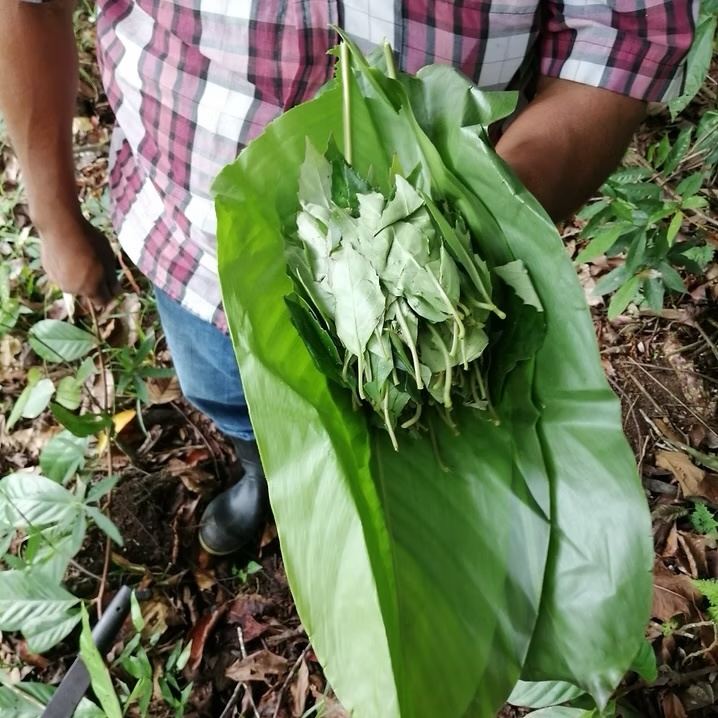
The name says it. Nuk'aslemal means "my life"; Raxnaq'il refers to the green and healthy side of life, as if it were a leafy tree. Health is only one part of it.
The Green Health Codex uses the form Raxnaq'il K'aslemal, the regreening of life: a concept of health that translates as holistic wellbeing, not as the absence of disease, in which we resemble a plant that is flowering, fresh, full of life and expressing its full potential.
The Elders do not speak of Maya medicine to recover health, but to maintain well-being in the Being.
Kawilal
One health, held together
Kawilal is a Q'eqchi' word that can be translated as "Interconnected Health": the health of Mother Earth, of people, of plants and of animals, as one. The Codex names three of its parts.
Kawilal Tz'ultaq'a'
The health of Mother Earth. In Green Health's work this means soils, water, forests and living landscapes.
Kawilal Niq'omon
Human health. In Green Health's work this means the whole person, never only the body.
Kawilal Kixul
Animal health. In Green Health's work this means the domestic and wild animals people live with.
Green Health recognizes that all species are interconnected, which is why it works with the One Health approach: people, animals and ecosystems depend on one another, through positive and negative feedback cycles. What happens to a forest reaches the water; what reaches the water reaches animals and people; and what people do to the land comes back to them. Plants are the living link: they are food and they are medicine. The sun and the seasons set the rhythm for all of it.
Kajtzuk
A person in four parts
In the Maya understanding that Green Health works with, a human being is made up of four components: body (matter), spirit (subtle energy), mind (thought) and emotions. All four must remain in balance to have Raxnaq'il K'aslemal.
Each has the color of a maize and a corner of the world: red for the body and its living fire, yellow for the feelings of daily life, white, subtle as the wind, for the mind, and black for the part of us that goes on. When one of the four turns negative, balance is lost, and with it wellbeing.
So when an Ajq'omanel, a Maya traditional Healer, asks how you are, the question has four parts. And it does not stop at your skin: a person's balance is tied to the water, the wind, the sun and everything around them.
How care works
Many specialties, much time, and the family in the room
01
Specialists, not one Healer
Maya medicine has many specialties, just as modern medicine does: Ajq'ij, spiritual guides and wisdom keepers, midwives, plant specialists, bonesetters, specialists for the digestive system and for the skin. Each has their own tools.
02
Listening without a clock
An Ajq'omanel reconstructs a case in a long, open conversation with the person and their family. This unhurried time is one of the great values of Maya medicine.
03
Naming before treating
An Ajq'omanel first looks for the cause, physical and beyond. Only an imbalance that has been named can be treated as a whole.
04
Four dimensions at once
Care can reach the body, the energetic and spiritual field, the emotions and the circle of family and community, and the mind. A simple imbalance may need one; a serious one, all four.
05
Made for one person
Every treatment is made for one person: their age, their constitution, the season, their food. That is why a formula is never simply handed on, and why Green Health publishes no remedies or doses.
06
Knowing the limits
The knowledge holders refer serious and fast-moving cases to hospitals. Natural medicine, they say, has its moment.
Our health and our well-being depend on the health and well-being of others.
Practical and natural
Plants are alive, and food is medicine.
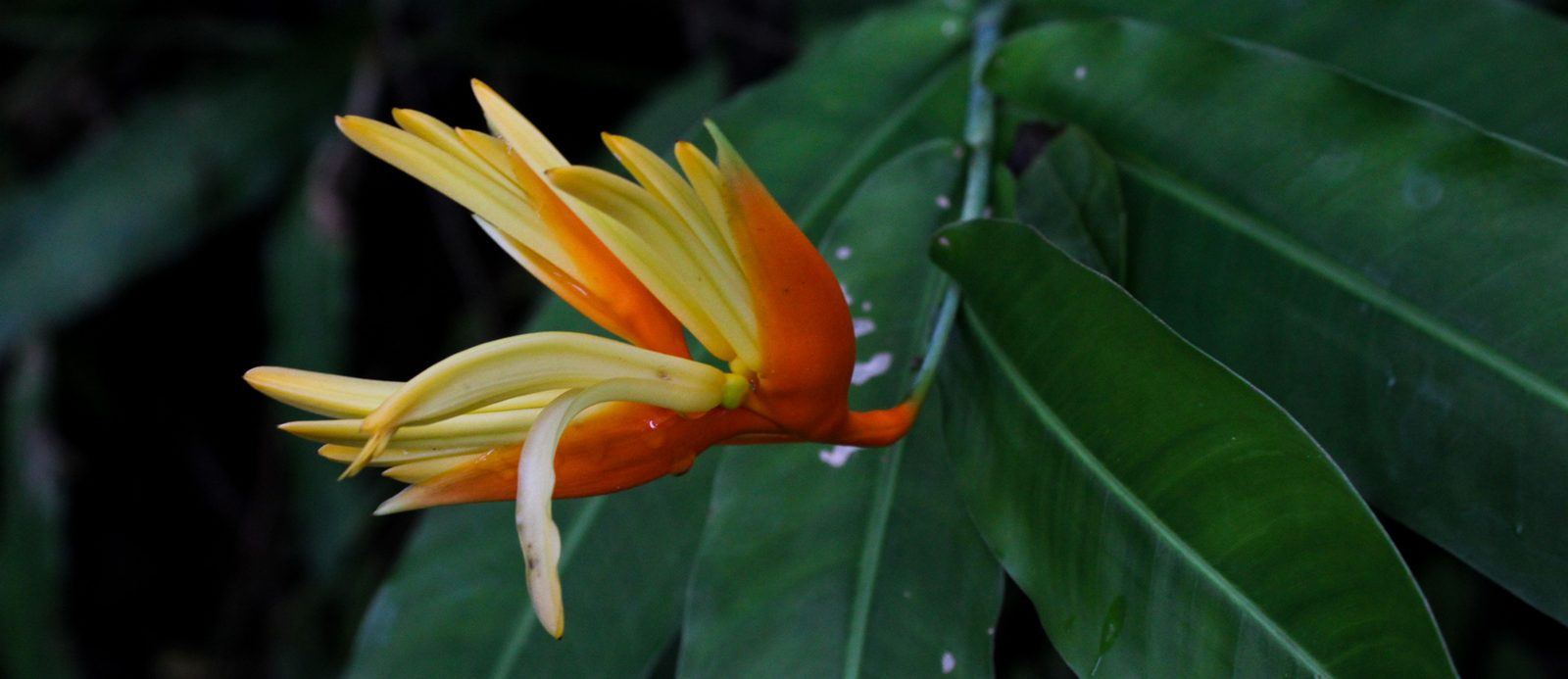
In this knowledge system, plants are living beings with a heart and a spirit; one asks permission before cutting a medicinal plant. Food and medicine are not separate: the Healers often begin by changing what a person eats, and they regulate sleep and rest, send people out into fresh air and sun, and ask the family to lighten the load of the one who is ill.
The knowledge holders watch the cycles of nature closely: rain, heat, wind, drought and the phases of the moon all shape a treatment. The Maya calendars are tools for crops and rain, and for understanding a person.
None of this is mysterious. It is close observation of patterns, over a very long time.
And so I was really surprised by how practical the knowledge is. It's not only magical, which is beautifully spiritual. It's not magical, it's natural.
What it could change for you
How would you live if health were relationship?
You do not need to move to Guatemala, or use its plants. Translate the health principle, not necessarily the plant. These are ways of seeing you can bring into your own days.
You ask "how am I?" in four parts
Body, mind, feelings and spirit, not only symptoms. A tired body and a heavy heart are different questions.
You prevent, rather than wait
Prevention here is everyday: food, rest, relationships and respect for the places you depend on, long before anything hurts.
You eat in relationship
Meals built from what grows together, like the milpa of maize, beans and squash, rather than from the latest single ingredient.
You know your plants
You learn what grows where you live, what it needs and what role it plays, and you treat it with care.
You keep a rhythm
Days that follow light and season, with real rest, time outside and time with people who matter to you.
You heal together
You let others care for you and you care for them, because your health and theirs are woven together.
This is a way of seeing health, not medical advice: it gives no diagnosis, treatment or dose. An evidence base for the plants of Mesoamerica is being built with research partners; a 2020 review co-authored by a member of Green Health's team found that data on safety and effectiveness are still limited, especially for native herbal drugs.