For ecosystem partners
Your work and ours belong to the same system.
You work on health, land, food, learning or community, and you know these cannot be solved one at a time. Green Health is building one regenerative health system in Guatemala, and it needs partners who build alongside it.
Why partner
Separate projects rarely add up to health.
A health program without the land it depends on, a reforestation without the people who know the plants, a training without a place to practice it: each can succeed on paper and still leave the whole no healthier. Many organizations feel this. Few find partners who work across the whole circle: people, plants, animals, food and territory.
Green Health starts from the whole. Health is relationship, so the work is built as one system: knowledge holders and their Traditional Councils, seeds and land, research and measurement, learning, and a network of places that learn from each other.
Ways to build together
Find where your organization fits
Foundations and philanthropy
Support for the foundation that lets existing knowledge, relationships, programs and places work as one, and for defined programs in research, food sovereignty, biodiversity and community health.
NGOs and development cooperation
Community One Health work with the communities that use it, nursery and seed networks, and training of community researchers, building on community One Health work in Petén.
Landowners and municipalities
Landowners keep their land and join the network: Green Health brings stewardship, plants and shared infrastructure under a written agreement, and the agreement comes first. With a municipality, a city park can become a City Garden of native food and medicinal plants.
Companies
Sourcing from compliant producers, regenerative production, learning logistics, digital infrastructure. Every partnership is intended to start with a written scope, and no partner gains rights over purpose or Indigenous knowledge.
Health and education actors
Intercultural dialogue between health systems, learning with universities and schools, and the Ajilonel School in Petén.
Regenerative and Indigenous initiatives
Guatemala is the first place. The infrastructure can travel; the knowledge, culture and authority stay where they belong. Translate the health principle, not necessarily the plant.
How we partner
A written scope, and the knowledge holders first
Green Health enters a partnership when there is a concrete shared outcome. Before anything starts, both sides agree in writing what each contributes, what happens to knowledge, data and assets, how each name is used, and how either side can leave without harming the purpose.
- Capital does not buy purpose. Support creates no authority over purpose, Indigenous knowledge or community consent.
- The first to benefit are the knowledge holders and their families: paid participation as researchers, gatherings, nursery work and learning materials.
- Nothing is announced before it is agreed. A partnership is named publicly when both sides have agreed how.
- One frame for everyone. Every collaboration follows the Green Health Codex of Principles and Conduct: respect, equality, no one speaking for the Peoples, and accountability.
What partners join
Work that already has roots
Research with institutions
Research with five Maya Traditional Councils and ETH Zurich (2011 to 2014), the Green Health Project with UCL School of Pharmacy and Universidad del Valle de Guatemala (2019 to 2022), and peer-reviewed publications.
The research recordLand, seeds and nurseries
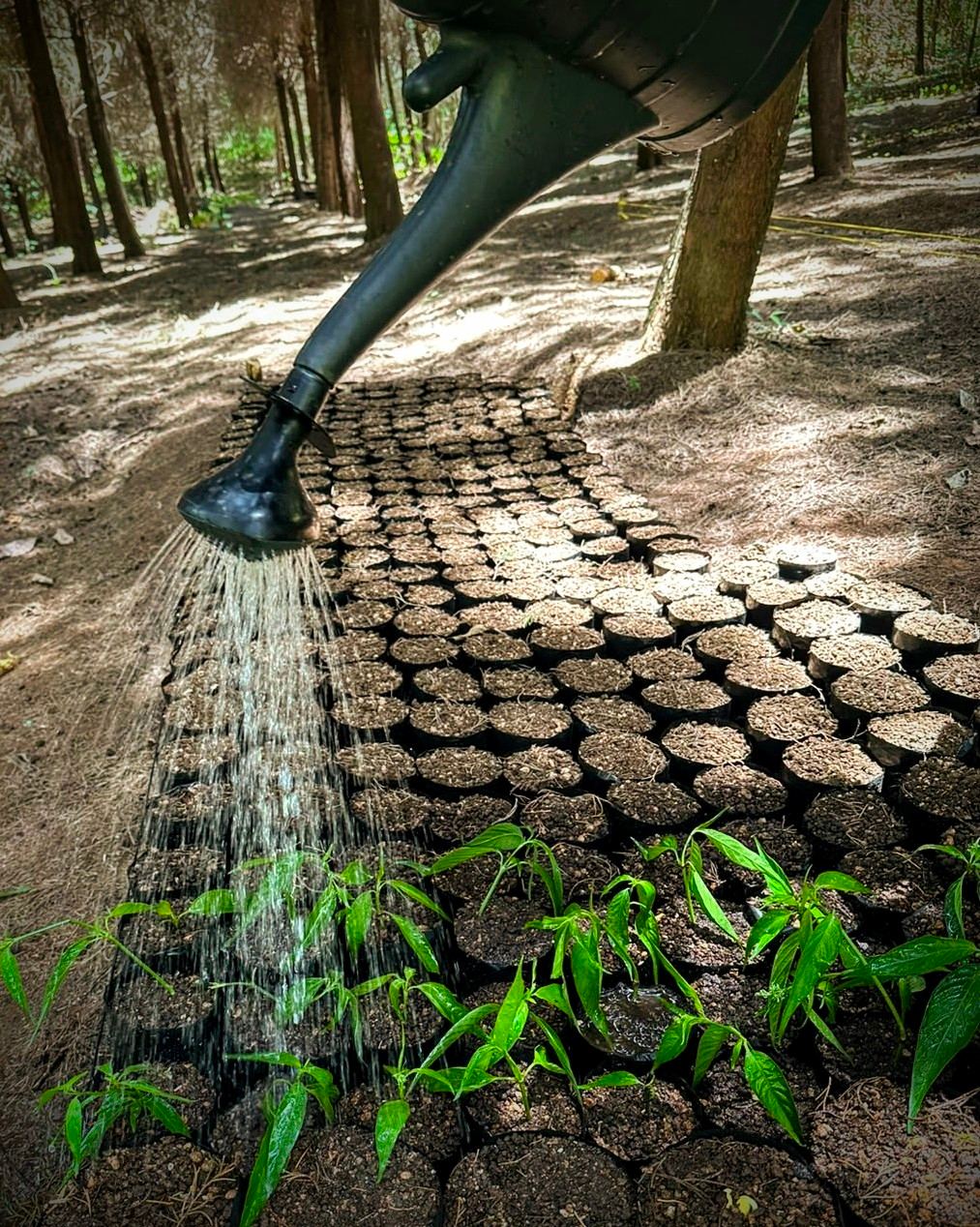
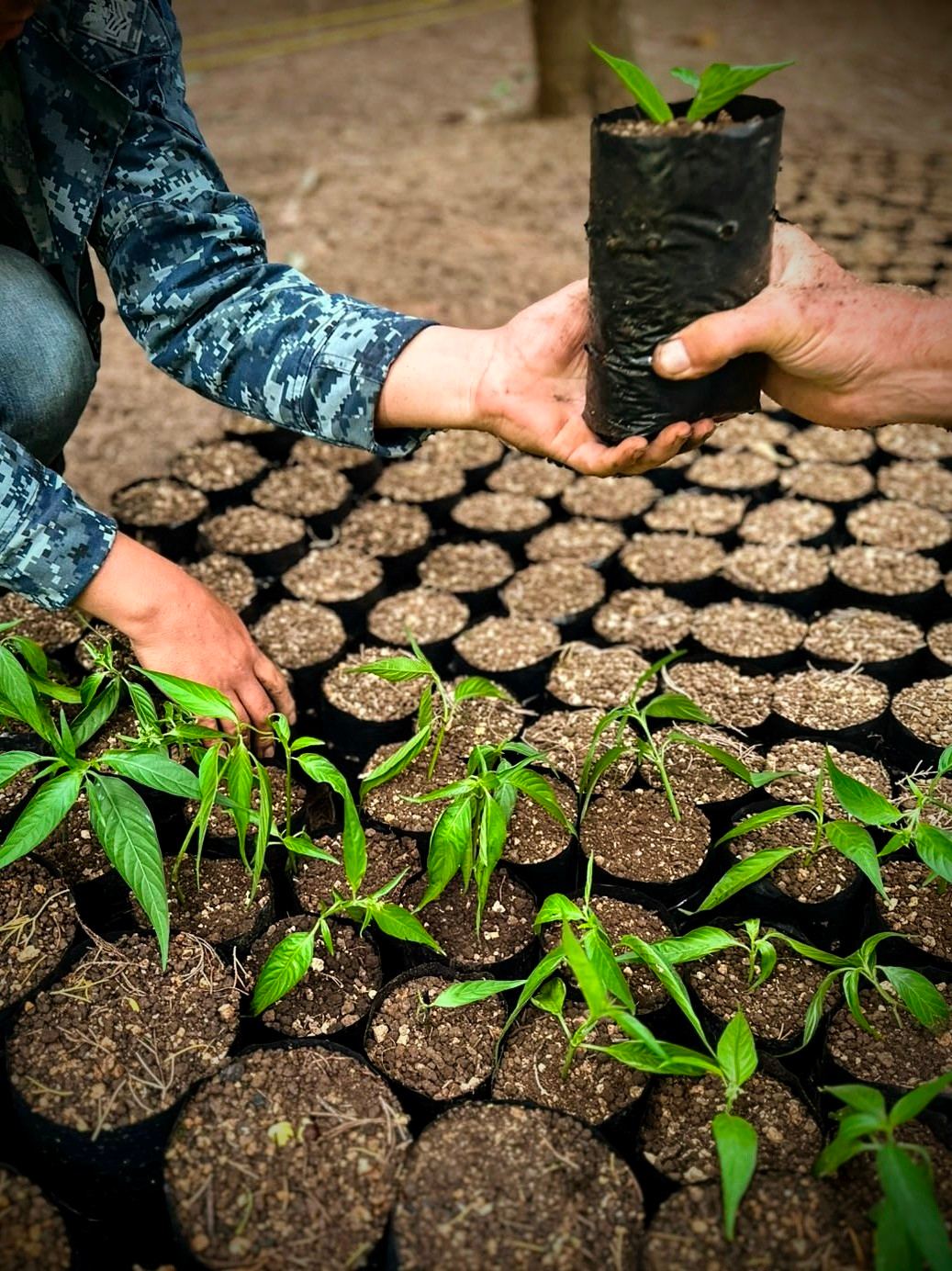
Q'anil, the seed: nurseries, propagation and living landscapes in Petén, and a nursery planned at IMMI Muxux in Guatemala City.
How we workGovernance that holds
A Codex rooted in Maya wisdom, reviewed and approved by several Maya Traditional Councils and Ajq'ijab', and a purpose that no one can buy.
StewardshipStart a conversation
Tell us what you are building.
A few lines on your organization and what you would like to build together. A member of the team replies personally and suggests a call.